E-mail: authentic013@steelpipes-fitting.com
WhatsApp: +86 13668807131
E-mail: authentic013@steelpipes-fitting.com
WhatsApp: +86 13668807131
Authentic Materials Category
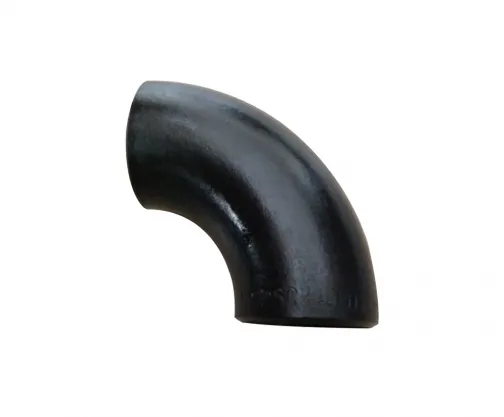
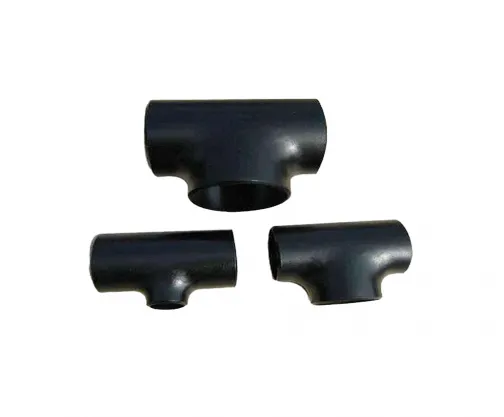
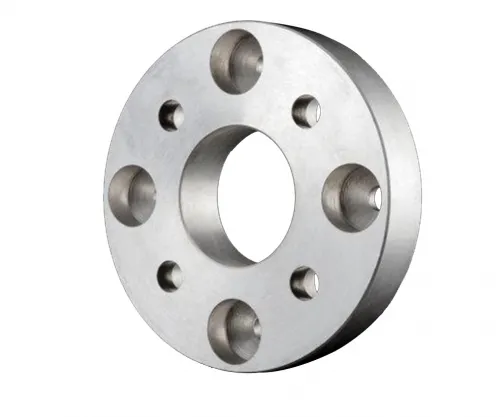
Carbon steel is known for its high strength and durability, making it ideal for applications in high-pressure and high-temperature environments. It is cost-effective and widely used in the construction, automotive, and manufacturing industries.
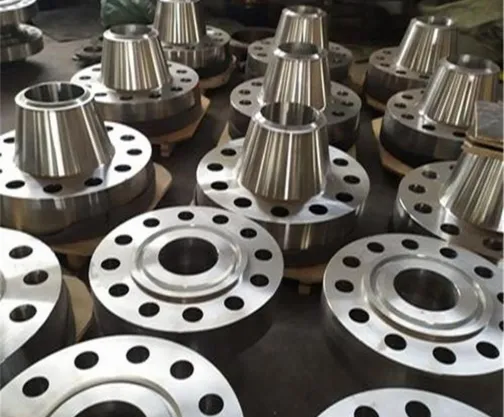
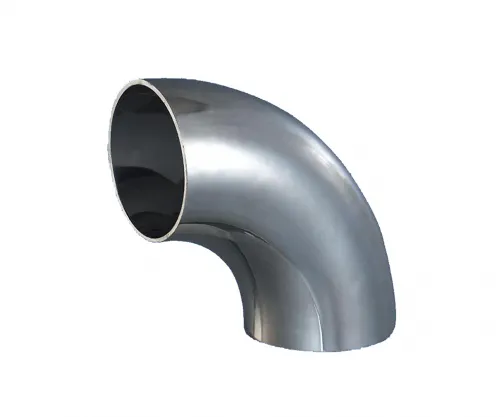
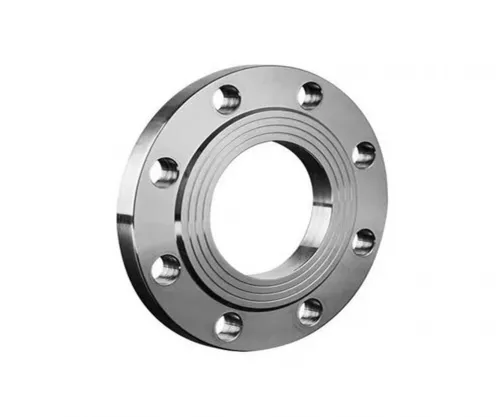
Stainless steel (English: Stainless steel, rustless steel), also known as stainless acid-resistant steel, water copper iron, and white iron in Taiwanese (Taiwanese: pe̍h-thih-á); in metallurgy, it refers to an alloy steel that is passive, corrosion-resistant, and rust-proof in the atmosphere and corrosive media such as acids, alkalis, and salts.
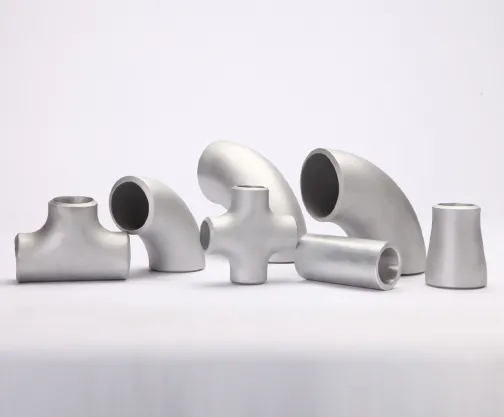
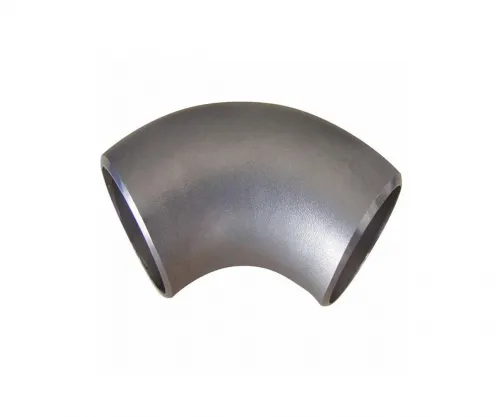
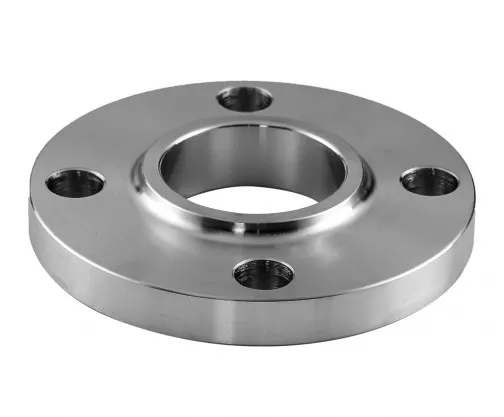
Alloy steel is a steel with special properties that contains one or more other elements (such as chromium, molybdenum, nickel, copper, manganese, tungsten, etc.) in addition to carbon; it is more wear-resistant and corrosion-resistant than carbon steel. Alloy steel is a composite material used in steelmaking.
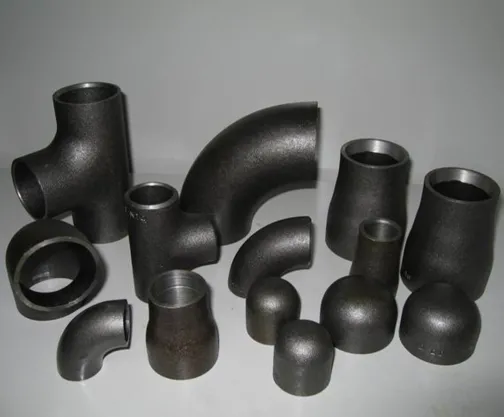
Carbon steel is a type of steel with a carbon content between 0.02% and 2% and very few other elements. It is also the metal material with the highest output.
Customized Materials
At Authentic, we understand that every project has unique requirements. That's why we offer customized material solutions tailored to your specific needs. Leveraging our advanced in-house testing center, including eddy current testing and spectroscopic analysis, we ensure the highest quality and integrity of materials. Our expertise and cutting-edge technology allow us to provide you with the perfect material composition for any application, showcasing Authentic's commitment to excellence and innovation.
FAQ
What certifications do your products have?
Our products comply with international standards such as ASTM, ANSI, JIS, DIN, and GB. We also hold various certifications to assure quality and reliability, including ISO 9001.
How can I get some samples?
If you need, we will offer you samples for free, but new customers are expected to pay express charge.
To which country have you supplied your products?
We have supplied to Thailand, China Taiwan, Vietnam, India, South Africa, Sudan, Peru, USA, Brazil, Trinidad and Tobago, Kuwait, Qatar, Sri Lanka, Pakistan, Romania, France, Spain, Germany, Belgium, Ukraine etc. (Figures here only include our customers in latest 5 years.)
Get Quote
Have questions or need a custom solution? Reach out to us!
Our team at Authentic is here to help you find the right pipe fittings and flanges for your specific needs.
Latest News
Industry News
Mar. 23, 2026
What role do elbows play in piping systems?
Elbows are crucial components in piping systems used to change the direction of pipelines, widely used in construction, chemical, and energy industries. They are arc-shaped or angled, with common angles being 45°, 90°, and 180°, flexibly adaptable to different pipeline layout requirements.
Industry News
Mar. 20, 2026
45° butt weld elbow dimensions
In industrial piping systems, the 45° butt-welded elbow is a common yet crucial pipe fitting. Primarily used to change the flow direction of pipes while reducing fluid resistance, it is widely applied in petroleum, chemical, power, and water supply and drainage engineering.
Industry News
Mar. 18, 2026
Comprehensive Analysis of High-Quality 180° Elbow: Selection, Standards, and Application Guidelines
In industrial piping systems, 180° elbows (U-shaped bends) are crucial pipe fittings, primarily used to change fluid direction and achieve pipe backflow or compact layouts. Whether in the petrochemical, power, or food and pharmaceutical industries, selecting a high-quality 180° elbow directly impacts system safety and lifespan.
You Can Contact Us in the Following Ways
authentic013@steelpipes-fitting.com
+86 13668807131
Donghe Industrial Zone, Mengcun County, Cangzhou City, Hebei Province
Get Quote
At Authentic, we understand that every project has unique requirements. Our dedicated team is here to provide you with a customized quote tailored to your specific needs. By filling out the form below, you’ll receive competitive pricing, high-quality product details, and estimated delivery times.


 中文
中文 Русский
 Español
 عربي
عربي